If you want to sell your Grove City home without feeling rushed at every step, timing matters more than most sellers expect. You are not just picking a list date. You are also planning prep work, required disclosures, showings, negotiations, and the weeks between contract and closing. The good news is that with a smart plan, you can build a realistic timeline and avoid many last-minute surprises. Let’s dive in.
What a Grove City sale timeline looks like
In Grove City, a well-prepared home can still move in a matter of weeks, but most sales are not instant. According to the latest MLS-based update for the South-Western City School District area of Grove City, there were 161 homes for sale, 1.1 months of supply, a median sale price of $320,000, and 39 days on market until sale in February 2026. Sellers received 98.0% of original list price on average, based on local market data.
That tells you something important. Grove City remains a seller-leaning market, but buyers still have enough options to compare condition, price, and presentation. In most cases, it is wise to plan for 2 to 4 months total from your first round of decluttering to the closing table.
Break your timeline into phases
The easiest way to plan your move is to treat your home sale like a series of phases instead of one big event. That gives you a better sense of what needs to happen now, what can wait, and where delays usually show up.
A typical Grove City sale timeline often looks like this:
- Pre-listing prep: several weeks
- Active market time: about a month or a little more
- Contract to closing: several more weeks, often around a month for financed buyers
If your home is move-in ready and your buyer pays cash, things may move faster. If repairs, financing, or disclosure issues come up, your timeline can stretch longer.
Phase 1: Start prep several weeks early
One of the biggest mistakes sellers make is treating preparation like a weekend project. In reality, cleaning, decluttering, staging, paperwork, and photography all take time. If you want your launch to feel smooth, give yourself several weeks before your target list date.
The National Association of Realtors notes that marketing a home may include staging, professional photography, social media, signage, open houses, and competitive pricing. It also points out that cleaning and decluttering can make a major difference in how buyers respond to your home, according to its consumer guide to marketing your home.
Focus on decluttering and minor fixes first
Start with the tasks that make your home easier to photograph and easier for buyers to walk through. That usually means removing extra furniture, clearing counters, organizing closets, and handling minor repairs you have already been putting off.
These steps matter because buyers often form opinions quickly, both online and in person. A cleaner, simpler presentation helps your home look more spacious and better maintained from day one.
Plan for staging before photos
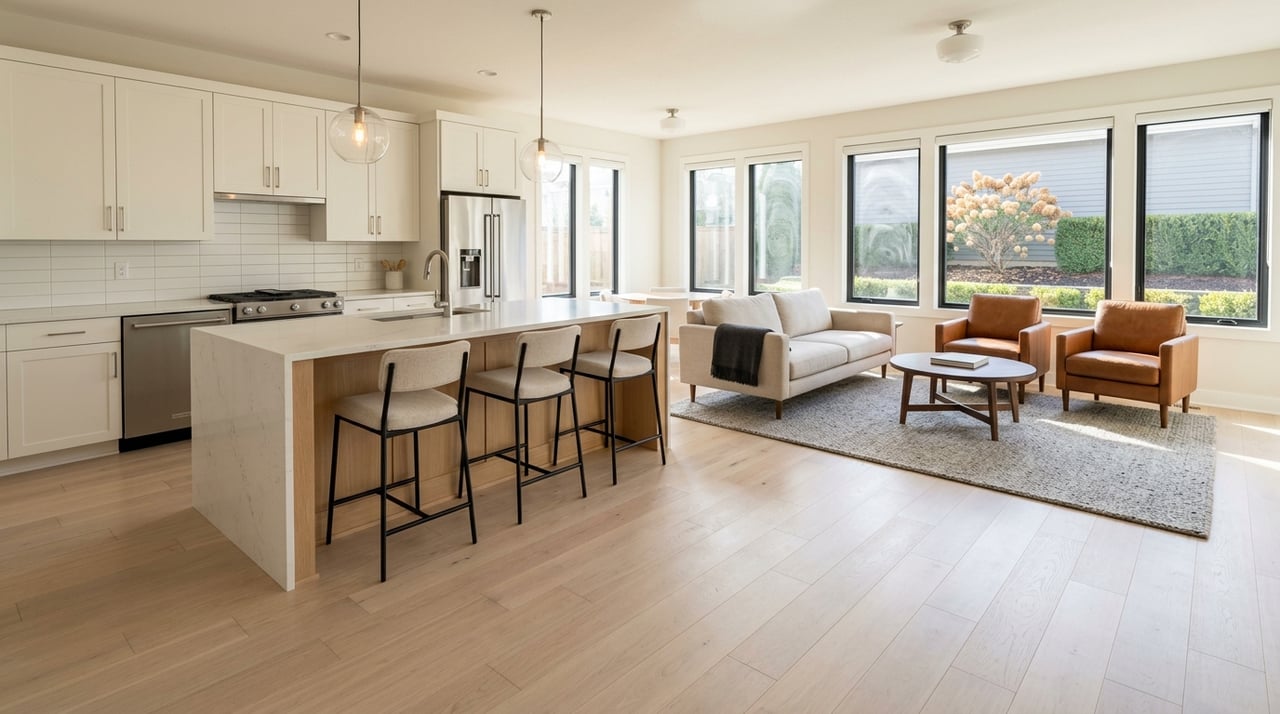
Staging does not always mean fully redesigning your home. Sometimes it means adjusting furniture placement, simplifying decor, and creating a cleaner visual flow from room to room.
That effort can pay off. In NAR’s 2025 staging research, 83% of buyers’ agents said staging made it easier for buyers to visualize the property as a future home, based on this home staging snapshot.
Get your paperwork ready early
Ohio sellers have compliance items that should be handled before your home is marketed. As of April 3, 2025, Ohio Revised Code 4735.80 requires a licensee to provide an anti-discrimination disclosure before marketing or showing residential real estate, according to the official Ohio code publication.
Ohio also requires a residential property disclosure form for most transfers under Ohio Revised Code 5302.30. Because timing matters, it is smart to gather that form early instead of waiting until you already have a buyer.
Check whether lead-based paint rules apply
If your home was built before 1978, federal lead-based paint disclosure rules may affect your timeline too. Sellers must disclose known lead-based paint information, provide the EPA pamphlet, and give buyers a 10-day opportunity for a paint inspection or risk assessment unless that period is changed by agreement or waived, according to the EPA’s lead disclosure requirements.
If this applies to your property, it is best to account for it before you accept an offer so nothing feels rushed later.
Phase 2: Launch with a strong first week
Once your home is ready, your first days on the market matter. This is when fresh interest is highest and buyers are comparing your listing against everything else that is currently available.
NAR notes that MLS exposure usually provides the broadest audience for a listing. It also explains that showings and open houses help buyers experience the home in person and ask questions, while competitive pricing helps expand the pool of interested buyers, according to its home marketing guide.
Expect several weeks of active marketing
In February 2026, Grove City homes in this local MLS update averaged 39 days on market until sale. In January 2026, that figure was 45 days, based on the same South-Western City School District Grove City market report.
That means you should usually plan for your home to be actively listed for several weeks, not just a few days. Some homes will move faster, but building a several-week window into your schedule makes your moving plans more realistic.
Price matters to your timeline
A strong timeline is not just about speed. It is also about giving your home the best chance to attract serious buyers without creating avoidable price pressure.
The same Grove City report showed sellers received 98.0% of original list price on average in February 2026, up from 96.4% in January 2026. Those numbers suggest that smart pricing can support both stronger offers and a smoother timeline.
Keep your schedule flexible for showings
Once your listing goes live, flexibility helps. Buyers may want to tour after work, on weekends, or on short notice. If your schedule is too tight, you can lose momentum during the most important exposure window.
NAR also notes that the first open house the weekend after your home hits the market can help maximize exposure. That is one more reason to complete prep before launch day rather than after.
Phase 3: Plan for several more weeks after acceptance
Many sellers feel like the hard part is over once they accept an offer. In reality, the contract-to-close period has its own timeline and its own moving parts.
According to NAR, once a purchase agreement is signed, the transaction moves into escrow and lenders typically require an appraisal and title search. The organization notes that this phase often takes several weeks or more depending on financing and scheduling, as explained in its guide to the steps between signing and closing.
Financing can shape the closing pace
For financed deals, lender timing is a real factor. ICE Mortgage Monitor reported an average of 41 days from application to closing and 29.3 days from rate lock to closing in May 2025, as cited in the research provided.
That does not mean every buyer will take that long, but it does show why sellers should plan for closing to take weeks, not days.
Federal timing rules matter too
Even when everything else is ready, there is still a required review period before closing. The Consumer Financial Protection Bureau requires the Closing Disclosure to be delivered at least three business days before closing.
That mandatory window is another reason your final timeline should include some cushion. A closing date is not just about everyone being available. It also has to follow the required process.
Late disclosures can cause delays
Ohio’s property disclosure timing can also affect your contract stage. Under Ohio Revised Code 5302.30, if a buyer receives the residential property disclosure form after entering into the transfer agreement, the buyer may have rescission rights within three business days of receipt, subject to the statute’s deadline rules.
In plain terms, late paperwork can create new risk after you already thought you had a firm deal. That is why early preparation matters so much.
A simple timeline you can use
If you are trying to plan a move, coordinate a purchase, or avoid overlap with your next home, this model is a helpful starting point.
Weeks 1 to 4: Prep your home
Use this time to:
- declutter and deep clean
- complete minor repairs
- review required Ohio disclosures
- confirm whether lead-based paint rules apply
- prepare staging and photography
Weeks 5 to 9: List and market
During this phase, expect:
- your listing to go live on the MLS
- showings and possible open house activity
- buyer feedback and offer review
- possible pricing or presentation adjustments if needed
Weeks 9 to 13: Move from contract to closing
Once you accept an offer, plan for:
- inspections and negotiations
- appraisal and title work
- lender processing if the buyer is financing
- final closing disclosures and scheduling
This type of framework is why a 2 to 4 month total timeline is a reasonable planning estimate for many Grove City sellers.
How to avoid timeline mistakes
A realistic plan can save you stress, but only if you leave room for the steps that often get overlooked.
Here are a few of the biggest timeline mistakes to avoid:
- starting decluttering too late
- waiting until listing week to gather disclosures
- scheduling photos before the home is truly ready
- assuming your home will sell the first weekend
- forgetting that financed closings usually take several weeks
- planning your move without a buffer for inspections, appraisal, or lender delays
Why local guidance helps
Every sale has a timeline, but not every timeline fits every property. Your price point, condition, age of home, disclosure needs, and buyer financing can all affect how long each phase takes.
That is where local planning makes a difference. A thoughtful strategy can help you decide when to start prep, when to list, and how to line up your move with the most likely market pace in Grove City.
If you are thinking about selling and want a timeline built around your home and goals, Columbus Prime Realty can help you plan each step with clear guidance, targeted marketing, and contract-to-close support.
FAQs
How long does it usually take to sell a home in Grove City?
- A practical estimate for many sellers is about 2 to 4 months from early prep to closing, with roughly several weeks for pre-listing work, about a month or so on market, and several more weeks to close.
How far in advance should you start preparing a Grove City home for sale?
- You should usually start several weeks before listing so you have time for decluttering, cleaning, minor repairs, staging, photography, and required paperwork.
How important is staging when selling a Grove City home?
- Staging can help buyers connect with the home visually. NAR’s 2025 research found that 83% of buyers’ agents said staging made it easier for buyers to visualize the property as a future home.
What disclosures do Ohio sellers need before listing a home?
- Ohio sellers should plan for the anti-discrimination disclosure required before marketing or showing residential real estate, the residential property disclosure form for most transfers, and lead-based paint disclosures if the home was built before 1978.
How long does closing take after accepting an offer on a Grove City home?
- A financed closing often takes several weeks, since appraisal, title work, lender processing, and the required three-business-day Closing Disclosure review period all happen after contract acceptance.