If you are thinking about buying new construction in New Albany, one detail can shape your whole search: a New Albany mailing address does not automatically mean the home is in New Albany-Plain Local Schools. That kind of nuance is common in this market, and it is one reason new construction here feels different from a typical suburban home search. In this guide, you will learn how New Albany’s planned growth, housing options, timelines, and builder contracts can affect your decision so you can move forward with more clarity. Let’s dive in.
Why New Albany New Construction Stands Out
New Albany is a master-planned community about 10 miles northeast of Columbus, and the city’s long-term strategy plays a direct role in how growth happens. The city updates its strategic plan every five years and prioritizes mixed-use environments, parks and open space, quality architecture, traditional neighborhoods, and versatile residential choices.
That planning framework matters when you buy new construction. In New Albany, land use, transportation, infrastructure, design standards, and private development are closely connected, so new neighborhoods do not appear in a vacuum. Zoning rules and design guidelines also apply across the community, which helps explain why different areas often feel intentional and coordinated.
The local economy is another reason demand stays strong. According to the city, the business park has attracted more than $47 billion in private investment and around 26,000 jobs, with commercial development supporting roughly 80 percent of the city’s general fund. For you as a buyer, that can mean continued interest in housing near major employment centers, along with changing road patterns as infrastructure keeps pace.
Verify Boundaries Before You Buy
If schools are part of your decision, verify the address early. New Albany-Plain Local Schools says the district covers 23 square miles and uses a central Learning Community Campus, but it also clearly advises buyers to confirm a specific property address through the Franklin County Auditor site or with the district registrar.
This matters because mailing address and school boundary are not the same thing. A home can carry a New Albany address without being in New Albany-Plain Local Schools. The research report points to Abberley Park as an example of a community with a New Albany address that is marketed in Gahanna-Jefferson City Schools.
The key takeaway is simple: do not rely on the city name in the address, ZIP code, or listing headline. Instead, confirm the exact school assignment for the property you are considering before you get too far into the process.
What Types of New Homes You Will Find
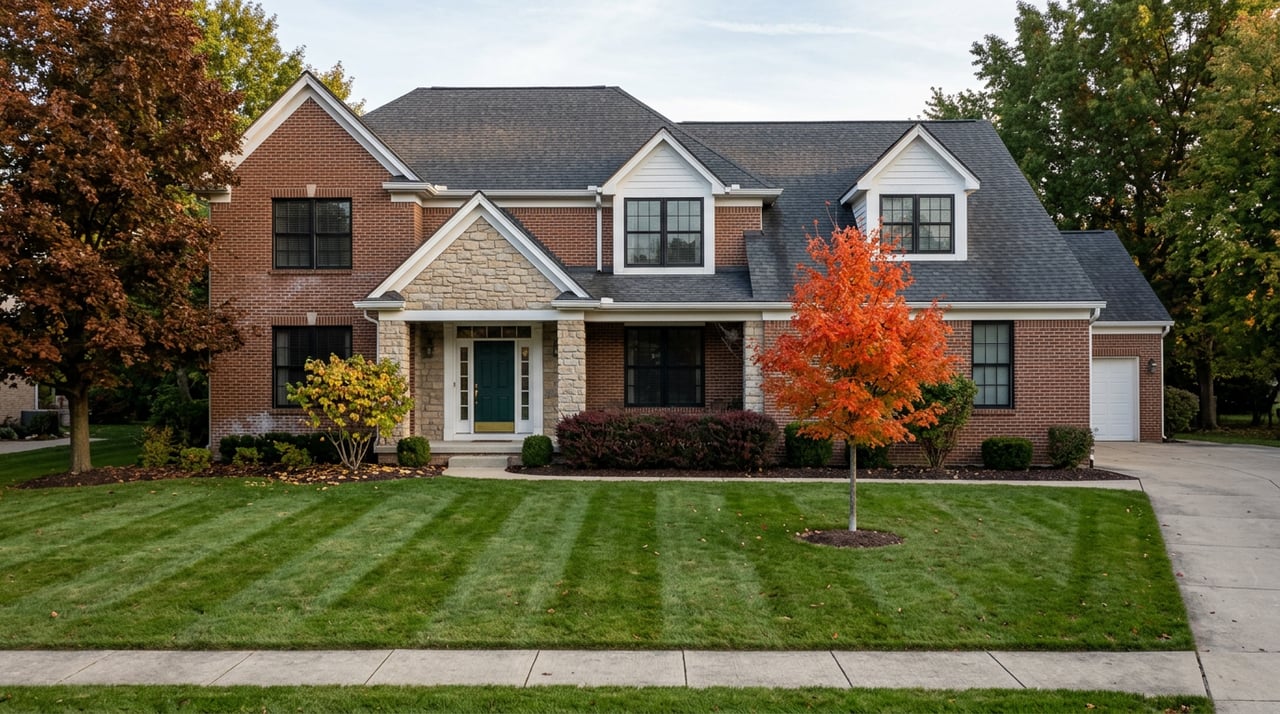
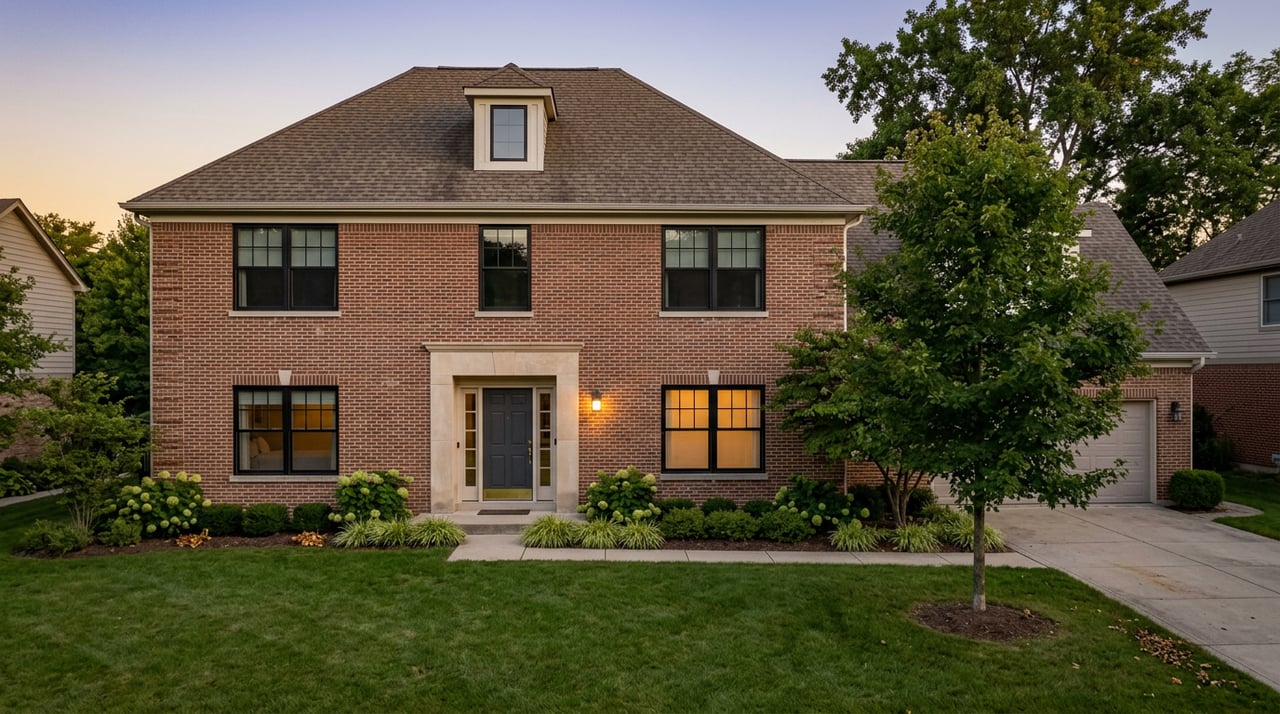
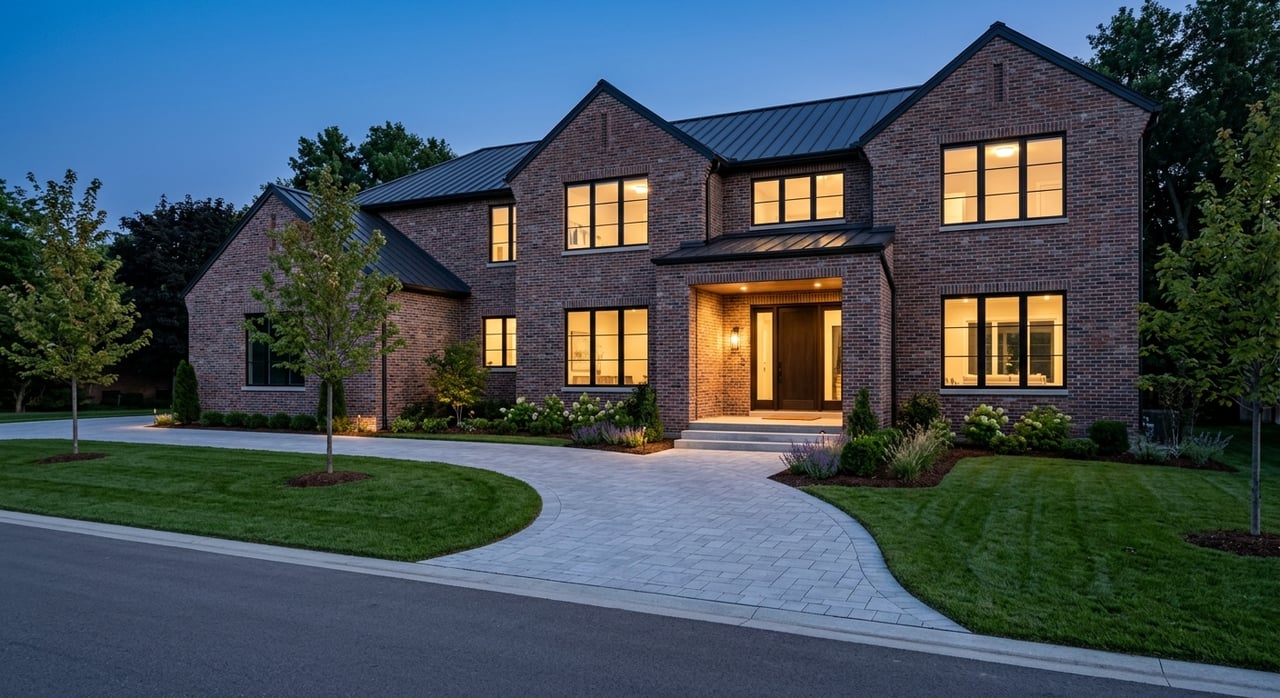
New construction in New Albany is not one-size-fits-all. You may see custom homes, semi-custom homes, age-restricted communities, quick move-in inventory, and future mixed-use housing options depending on where you look and what stage of development a project is in.
Custom and Semi-Custom Options
Custom and semi-custom homes remain an important part of the market, especially around New Albany Country Club areas. City project updates reference active or recent residential projects such as New Albany Country Club Section 30, Ebrington, Highgrove, and Woodhaven.
If you are looking in New Albany Country Club communities, expect another layer of review. The New Albany Country Club HOA says builders and architects for new construction there must be approved by the Participating Builders & Architects Committee. That can support design consistency, but it can also affect your builder choices and planning timeline.
Low-Maintenance and 55+ Communities
If you want a simpler lifestyle, New Albany also includes lower-maintenance options. The city lists Nottingham Trace as a 55-and-over residential subdivision, and Epcon’s New Albany-area listings include The Courtyards at Haines Creek, also identified as a 55+ community.
For some buyers, these communities can offer a better fit than a large custom-home neighborhood. If ease of upkeep, one-floor living, or a more streamlined floor plan is high on your list, it is worth including these options in your search.
Mixed-Use and Village-Center Housing
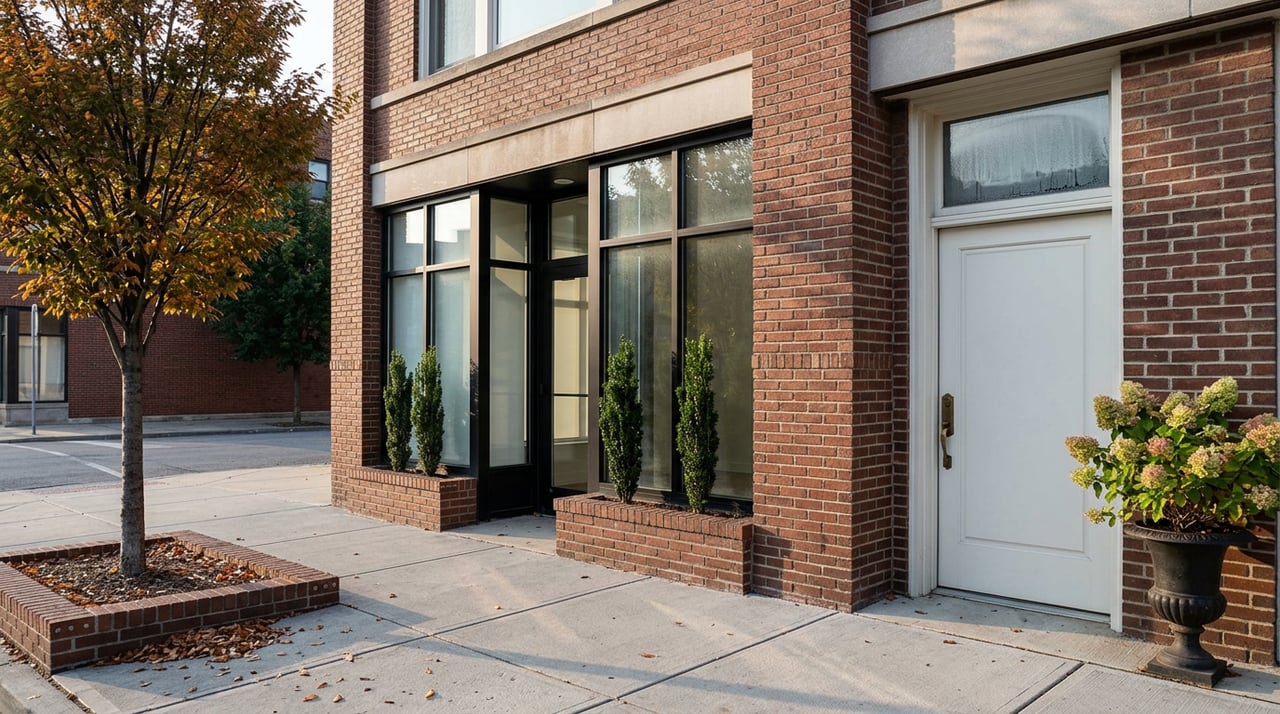
Some future housing supply may look different from a typical subdivision. The city’s zoning framework says the Village Center is envisioned as a traditional town-center form and is governed by an Urban Center Code.
That means homes in and around downtown-style areas may have a different look, layout, and feel than homes in more conventional neighborhood settings. If you like the idea of a walkable mixed-use environment, this part of the market may be especially interesting.
Understand the New Construction Timeline
One of the biggest surprises for buyers is how long a new build can take. Nationally, the average single-family home took 10.1 months to complete in 2023, while homes built for sale averaged 8.9 months. Fully custom homes can take longer depending on design, permitting, and construction complexity.
In New Albany, timing is also tied to the local approval process. The city uses plan review, permits, and inspections, and it offers phased plan review for new construction so projects can move in segments while final design is still being completed.
That flexibility can help, but it can also make timelines less predictable. If a home is early in the process, your move date may depend on approvals, sequencing, weather, labor, materials, and infrastructure work happening nearby.
Road Projects Can Affect Daily Life
Current city and regional updates show major projects that can affect access and travel patterns, including the Walnut Street and SR-605 roundabout project, Green Chapel Road reconstruction, and several Intel-area road and noise-wall projects scheduled or underway through 2026 and beyond.
For you, this means commute times and construction access may look different by the time you close than they did during your first visit. It is smart to ask how nearby roadwork could affect routes to work, shopping, and other frequent destinations.
Quick Move-In Homes May Reduce Wait Time
If you want the benefits of a new home without a long build cycle, ask about spec homes or quick-delivery inventory. The research report notes that builders have been using incentives more often, including closing-cost help, design credits, and mortgage rate buy-downs, while spec homes and townhomes are becoming a larger part of the new-home mix.
That does not mean every community will offer the same incentives. It does mean buyers in today’s market may have more flexibility than they expect, especially if a builder wants to move completed or near-completed inventory.
Builder Contracts Work Differently
A new construction contract is not the same as a resale purchase agreement. That is why it helps to slow down and review each term carefully before you commit.
Ohio REALTORS says buyers should receive a Consumer Guide to Agency Relationships at first contact and an Agency Disclosure Statement before an offer is signed. It also notes that the Residential Property Disclosure Form generally does not apply to newly constructed residential property that has not previously been inhabited.
That difference catches some buyers off guard. If you are used to resale transactions, you may expect a familiar disclosure process, but new construction often follows a different path.
Pay Close Attention to Deposits and Contingencies
The CFPB advises buyers to ask how a builder deposit can be returned and to keep financing and inspection contingencies in the contract. Those details matter because builder agreements often include their own timelines, upgrade terms, deposit structures, and closing procedures.
You should also remember that a builder’s affiliated lender is not required. The CFPB recommends comparing lenders and closing-service providers rather than assuming the builder’s preferred options are your only choices.
Always Do a Final Walk-Through
Even with a brand-new home, a final walk-through still matters. The CFPB recommends completing one before closing.
This is your chance to confirm agreed-upon items, check finishes and fixtures, and make sure the home is in the condition you expect. New does not always mean perfect, and small issues are easier to flag before closing than after.
Why Buyer Representation Still Matters
Many buyers assume the builder’s sales team will handle everything. In reality, separate buyer representation is common in new construction and can help keep your interests at the center of the transaction.
Ohio REALTORS says buyer’s agents owe fiduciary duties to the buyer, and dual agency must be disclosed. The research report also notes that in new-home sales, buyer’s agents often work alongside the builder and sales team because the process involves construction timing, builder contracts, permitting, and deposits.
That support can be valuable when you are comparing floor plans, reviewing timelines, weighing incentives, or sorting through contract language. According to NAR’s 2024 profile, 63 percent of new-home buyers used an agent, and buyers most often said they wanted help finding the right home and negotiating the terms of the sale.
New Construction vs. Resale in New Albany
For some buyers, the real question is not whether to buy in New Albany. It is whether to buy new construction or an existing home.
The research report shows a straightforward tradeoff. New homes often offer modern floor plans, lower utility costs, more personalization, and builder warranties. Existing homes may offer lower-priced options, mature landscaping, and move-in-ready convenience.
Here is a simple way to think about it:
| If you value... | New construction may fit better | Resale may fit better |
|---|---|---|
| Personalization | Yes | Less often |
| Faster move-in | Sometimes with spec inventory | Often |
| Established landscaping | Less likely | More likely |
| Builder warranty | Often | Less likely |
| Potentially lower entry price | Less likely | More likely |
In New Albany, that decision often comes down to your timeline, budget, and how much customization you want. A quick move-in home may give you a middle ground if you want newer features without waiting through a full build cycle.
Smart Steps Before You Sign
If you want to approach a New Albany new construction purchase with confidence, focus on these steps first:
- Verify the exact property address for school-boundary purposes.
- Ask whether the home is custom, semi-custom, spec, or quick move-in.
- Review expected build timing and what could delay completion.
- Check whether community or architectural approvals apply.
- Understand deposit terms and when money may be refundable.
- Keep financing and inspection contingencies in mind when reviewing the contract.
- Compare lender and closing-service options rather than assuming you must use the builder’s partners.
- Plan for a final walk-through before closing.
- Consider how nearby road or infrastructure projects may affect your routine.
New construction in New Albany can be an excellent fit if you want modern design, a planned community setting, and options that range from custom homes to lower-maintenance living. The process just works best when you go in with a clear picture of boundaries, timelines, contract terms, and the local development landscape.
If you are exploring new construction in New Albany and want contract-to-close guidance tailored to your goals, Columbus Prime Realty can help you compare communities, review the fine print, and move forward with confidence.
FAQs
How do school boundaries work for New Albany new construction?
- A New Albany mailing address does not automatically place a home in New Albany-Plain Local Schools, so you should verify the exact address with the appropriate local sources before you buy.
What types of new construction homes are available in New Albany?
- Buyers may find custom homes, semi-custom homes, 55+ communities, quick move-in homes, and some mixed-use or village-center housing depending on the area.
How long does a New Albany new construction home take to build?
- Timing varies, but national data in the research report shows many single-family homes take around 9 to 10 months, and local permitting, phased review, and infrastructure work can affect the schedule.
What should buyers review in a New Albany builder contract?
- Pay close attention to deposit terms, financing and inspection contingencies, lender choice, closing details, and the process for a final walk-through before closing.
Do you need your own agent for New Albany new construction?
- Separate buyer representation is common in new construction and can help you evaluate contracts, timelines, incentives, and negotiations while keeping your interests first.