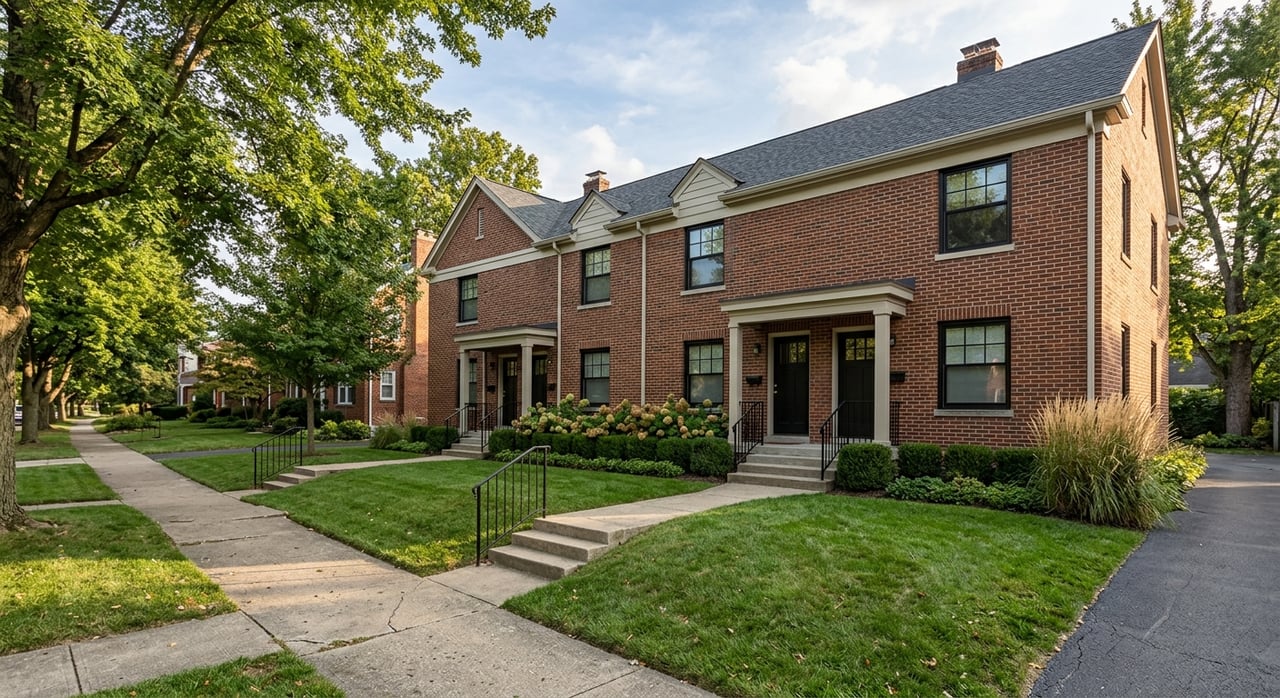
Are you thinking about buying a rental in Westerville and wondering if the numbers really work? You are not alone. Westerville has a strong reputation as a stable suburban market, but that does not automatically mean every rental property makes sense as an investment. If you are looking at your first buy-and-hold property or adding to a small portfolio, this guide will help you understand Westerville’s rental basics, what property types tend to fit the market, and where careful underwriting matters most. Let’s dive in.
Why Westerville feels different
Westerville is not a heavy-renter market. According to the city’s housing summary, about 77.6% of residents own their homes and 22.4% rent. That owner-occupied balance helps explain why available rental inventory can feel limited and why well-priced homes often face strong competition.
The local housing mix matters too. About 82.7% of Westerville homes are single-family structures, while only 4% are in 2-to-4-unit buildings and 13% are in 5-plus-unit buildings. For you as a local investor, that usually means the most realistic options are single-family homes, townhomes, condos, and the occasional small multifamily property.
Westerville’s rental market also sits in an interesting middle ground. Among renter-occupied homes, 51.6% are in buildings with five or more units, while 34.7% are single-unit rentals. In plain terms, small investors are often competing on two fronts at once: apartment supply on one side and owner-occupant demand on the other.
What the rent picture looks like
Rent data in Westerville varies depending on the source and how it is measured. Zillow reported an average live-listing rent of $1,850 as of May 8, 2026, with a range from $1,044 to $4,770 across 85 active rentals. Zillow also reported a separate ZORI estimate of $1,576 for the same market, which tracks a different data set and should not be treated as the same figure.
Apartment rent data helps fill in the picture. Apartments.com reported average rents of $1,029 for a studio, $1,345 for a one-bedroom, $1,633 for a two-bedroom, and $2,247 for a three-bedroom apartment. Taken together, those numbers suggest Westerville is more of a mid-to-upper suburban rental market than a low-cost one.
That sounds promising at first, but rent alone does not tell the full story. On the for-sale side, Zillow placed Westerville’s average home value at $446,095 and median sale price at $415,002, with homes going pending in about 15 days. When you compare local rents to local prices, the rough gross yield lands around 4.6% to 5.35% before operating expenses, which helps explain why many Westerville rentals need either a strong purchase price or a clear value-add plan to create healthy cash flow.
Why conservative underwriting matters
Westerville can make sense for investors, but it is usually better framed as a stability-first market than a high-cash-flow market. Strong owner demand, limited rental share, and fast-moving for-sale inventory can push pricing up faster than rents. That can compress returns, especially if you buy a turnkey property at full market value.
For broader context, a Columbus multifamily market report showed a 6.7% cap rate in Q2 2025, and Arbor and Chandan reported U.S. single-family rental cap rates at 7.1% in Q3 2025. Those figures are not direct Westerville comps, but they do support a practical takeaway: if you are buying in a high-demand suburb like Westerville, you should underwrite carefully and compare deals against similar nearby suburbs rather than assume premium pricing will still leave room for strong income performance.
A simple way to think about it is this: Westerville may reward patience and long-term planning more than quick cash flow. If your strategy is buy-and-hold, the right property can still work well. But your margin for error may be smaller than in a lower-cost market.
Best property types for Westerville investors
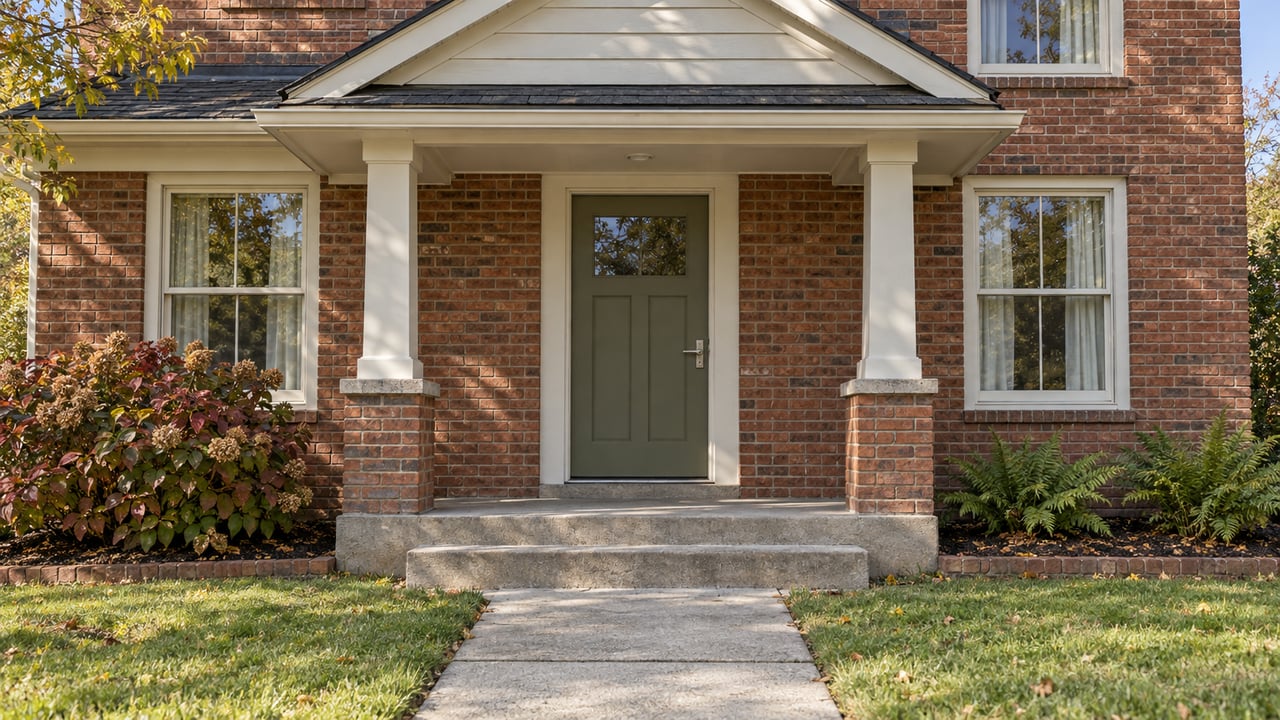
If you are deciding what to buy, the city’s housing mix offers a helpful starting point. Since single-family homes dominate the market, detached homes naturally remain a major rental option. Townhomes and condos can also fit well, especially if you want a more attainable entry point than a larger detached house.
The local planning data also points toward demand for smaller, more attainable housing formats. In the city study, 73% of respondents said there is a need for at least some more smaller houses, cottages, or townhomes on smaller lots. Another 31.7% specifically said more townhouses or rowhouses are needed.
That does not mean every smaller home is an automatic win. It does mean that modest, well-located properties may line up better with local housing pressure than luxury rentals do. The same study found that 66.6% of residents see a shortage in the $150,000 to $249,999 range, which supports the idea that practical, attainable housing formats can have a stronger fit than high-end finishes with little rent upside.
Property types to watch closely
Here are the types of rentals that most often make sense to evaluate in Westerville:
- Single-family homes with functional layouts and manageable maintenance needs
- Townhomes that offer a lower price point than many detached homes
- Condos where the monthly ownership costs still leave room for acceptable returns
- Duplexes or quadplexes when available, since they are a small part of the local housing stock
In many cases, the winning formula is not the flashiest property. It is the property with the right basis, realistic rehab scope, and durable long-term demand.
Age of housing should shape your budget
One of the biggest Westerville investor basics is understanding the age of the housing stock. Nearly 75% of homes were built between 1960 and 1999, and the largest age band is 1960 to 1979. Fewer than 2% of homes are newer than 10 years old.
That matters because older homes can carry more capital expense risk than buyers expect. Roofs, siding, windows, HVAC systems, plumbing, and interior finishes may all need more attention over time. Even if a property shows well at first glance, your long-term numbers should account for reserves and future replacement costs.
The city’s housing study also flags age-related maintenance issues directly. For a buy-and-hold investor, that means condition is not just an inspection issue. It is a cash-flow issue, a turnover issue, and a long-range planning issue.
A smart rehab lens for Westerville
If you are looking at a value-add property, focus on updates that improve durability and rentability without overbuilding for the submarket. In a suburb where yields can already be tight, it is easy to spend too much on finishes that do not produce enough rent growth.
A practical review should include:
- Remaining life of major systems
- Exterior maintenance exposure
- Interior updates needed for safe, functional occupancy
- Ongoing reserve needs after renovation
- Whether the post-rehab rent still supports your all-in basis
Landlord rules you need to know
Westerville investors also need a solid handle on Ohio landlord obligations and local code enforcement. Under Ohio law, landlords must comply with applicable building, housing, health, and safety codes. They must also make repairs needed to keep a property fit and habitable, keep common areas safe and sanitary, maintain major systems and fixtures, and provide reasonable notice before entering. Ohio law presumes 24 hours is reasonable notice unless the facts show otherwise.
Ohio also bars retaliatory action against tenants who complain about code violations. That means your communication, repair process, and documentation all matter. Good systems are not just helpful for customer service. They help reduce risk.
Security deposits have specific rules too. Under Ohio law, if a security deposit exceeds $50 or one month’s rent, whichever is greater, the excess earns 5% interest after six months. Landlords must also return an itemized accounting within 30 days after move-out.
Westerville code enforcement is active
Beyond state law, Westerville’s own enforcement approach is something investors should not ignore. The city states that code enforcement covers both interior and exterior property maintenance. It also enforces grass over 8 inches from April through October, prohibits trash accumulation, and requires fence permits.
The city notes that staff use warnings, re-inspections, and notices of violation. In other words, this is not a place where you should assume a hands-off environment. If you own rental property here, maintenance and compliance need to be part of your operating plan from day one.
Fair and consistent rental practices matter
Westerville adopted a non-discrimination ordinance in 2019 and works with the City of Columbus Community Relations Commission to investigate and resolve complaints. For you as a rental owner, that means advertising, screening, and lease administration should be handled consistently and carefully.
This is one more reason to approach rental ownership as a business, not just a side investment. Clear criteria, organized records, and fair processes can help you stay compliant while creating a smoother experience for everyone involved.
A simple Westerville investment checklist
Before you buy a rental in Westerville, make sure you can answer these questions clearly:
- Does the purchase price leave room for repairs, reserves, and normal operating costs?
- Is the likely rent supported by current local rent ranges?
- Are you comparing gross yield to realistic expenses, not just headline rent?
- Is the property type aligned with what the local market actually offers?
- Have you budgeted for age-related maintenance in a market with older housing stock?
- Do you understand Ohio deposit rules, entry notice expectations, and repair obligations?
- Are you prepared for active local code enforcement?
If you cannot answer yes to most of those questions, the property may need a lower price, a different strategy, or a closer look before you move forward.
Why local guidance helps
Westerville is the kind of market where local context can change the whole investment picture. A home that looks attractive on a listing sheet may not work once you factor in age, maintenance, rent limits, and a purchase price shaped by strong owner-occupant demand. On the other hand, a well-bought home, townhome, condo, or small multifamily property can offer stable long-term potential if you buy with discipline.
That is where local investor guidance can be valuable. You want to understand not just what a property is listed for, but how it fits the neighborhood, the local housing mix, and your buy-and-hold goals. If you want help evaluating rental opportunities in Westerville or anywhere in Central Ohio, connect with Columbus Prime Realty for boutique, contract-to-close support tailored to local investors.
FAQs
What kind of rental property is most common for small investors in Westerville?
- In most cases, you will be looking at single-family homes, townhomes, condos, or occasional duplex and quadplex opportunities because Westerville is dominated by single-family housing.
Are Westerville rentals usually strong cash-flow properties?
- Not always. Based on local rent and price benchmarks, many properties need a favorable purchase price or value-add upside to produce more attractive cash flow.
How old is the housing stock in Westerville for rental investors?
- Much of it is older than many buyers expect. Nearly 75% of homes were built between 1960 and 1999, with the largest share built from 1960 to 1979.
What should Westerville landlords know about Ohio entry notice rules?
- Ohio law says landlords must give reasonable notice before entering a rental, and 24 hours is presumed reasonable unless the facts show otherwise.
What should Westerville landlords know about security deposits in Ohio?
- If a deposit is more than $50 or one month’s rent, whichever is greater, the excess earns 5% interest after six months, and an itemized accounting must be returned within 30 days after move-out.
Does Westerville actively enforce property maintenance rules for rentals?
- Yes. The city states that code enforcement covers interior and exterior maintenance, grass height, trash accumulation, and certain permit requirements such as fences.