Do some rooms in your Powell home feel chilly in winter and stuffy in summer? You are not alone. Our four-season climate means your house works hard year-round, and small inefficiencies can show up as drafts, uneven temperatures, and rising utility bills. In this guide, you will learn simple, high-impact upgrades that add comfort, trim costs, and photograph well when you are ready to sell. Let’s dive in.
Why comfort upgrades matter in Powell
Powell sees cold winters and humid summers, so your home needs to hold heat in January and shed heat and moisture in July. This is why the basics like air sealing, insulation, ductwork, and efficient HVAC matter most here. Tighter homes also need healthy ventilation to manage humidity and indoor air quality.
If you want climate context, you can review regional weather data through NOAA climate normals. The bottom line is simple. In Powell, you benefit from upgrades that reduce heat loss in winter and limit heat gain and humidity in summer.
Start with air sealing
Air sealing closes the gaps that let outside air sneak in around your attic, chimney, rim joists, windows, and doors. If you have drafts or cold spots, this is often the fastest comfort fix.
- Comfort: fewer drafts, warmer surfaces in winter, and less humid infiltration in summer.
- Savings: When paired with insulation, sealing can deliver meaningful reductions in heating and cooling use, according to DOE guidance on air sealing.
- What to seal: attic penetrations, recessed lights, top plates, rim and band joists, sill plates, and weatherstripping at doors.
Tip for photos and resale: Ask your contractor to label sealed points and tidy the attic access. Before-and-after shots of clean sealing and weatherstripping look professional in a listing packet.
Insulate where it counts
Insulation slows heat flow. In many Powell homes, the attic and rim joists offer the best return. Basements and crawlspaces are next, especially if floors feel cold.
- Priority areas: attic/ceilings, rim and band joists, and basement or crawlspace walls if they influence living areas.
- Comfort gains: warmer floors and walls in winter, less heat transferring down from a hot attic in summer.
- Contractor guidance: An energy audit can help set the right R-values based on your existing levels and access.
For practical how-tos and targets, review DOE insulation guidance. Balance insulation with proper attic ventilation and moisture control to avoid condensation in our humid summers.
Fix and balance your ducts
Leaky or uninsulated ducts can dump conditioned air into attics, basements, or crawlspaces, leaving rooms uneven and systems running longer.
- What to address: mastic on joints, reconnect any loose sections, insulate ducts in unconditioned spaces, and improve return and supply balance.
- Benefits: more even temperatures, quieter operation, and better delivery of heating and cooling.
- Why now: If your HVAC lives in an attic or crawlspace, duct sealing and insulation pay off even more.
The DOE’s page on ducts and ductwork explains typical losses and the value of sealing and insulating. In listing photos, tidy, insulated trunk lines and clearly labeled returns look like quality.
Choose the right HVAC path
When your equipment is aging or struggling, consider efficient replacements that fit a four-season climate.
High-efficiency gas furnaces
Modern condensing models can reach 95 percent or higher AFUE. You get reliable winter heat with lower gas use compared to older units. If your furnace is near end of life or oversized, replacement can improve comfort and reduce bills.
Heat pumps and dual-fuel systems
Today’s air-source heat pumps perform well across much of the Midwest when sized and installed correctly. Cold-climate models and variable-speed options can handle most winter days while providing efficient cooling in summer. A dual-fuel setup pairs a heat pump with a gas furnace to optimize comfort and costs across temperatures.
You can explore technology basics on the DOE heat pump systems page.
Ductless mini-splits
If one room is always off-temperature, a ductless head can be a quiet, efficient fix without reworking ducts. This is useful for additions, bonus rooms, or home offices.
Sizing and commissioning
Ask your contractor for a Manual J load calculation, Manual D for ducts, and proper commissioning. Oversized units short-cycle and leave rooms uneven. Right-sizing helps your system run longer, quieter cycles that feel better.
Smart controls and ventilation
Smart thermostats
Smart thermostats help you schedule temperature setpoints, control them from your phone, and learn your patterns. When used correctly, ENERGY STAR notes that smart thermostats can deliver measurable savings, often in the single-digit percentage range for combined heating and cooling.
Zoning and dampers
For two-story homes with hot upstairs and cool downstairs, zoning can reduce tug-of-war settings. Zoning lets you fine-tune areas at different times of day, boosting comfort.
Healthy ventilation
As you tighten a home, manage humidity and indoor air quality with mechanical ventilation. In Powell’s summers, an ERV or HRV and targeted dehumidification can keep rooms comfortable and reduce mold risk. For basics on indoor air quality, see the EPA’s IAQ guidance.
Windows and doors: when to upgrade
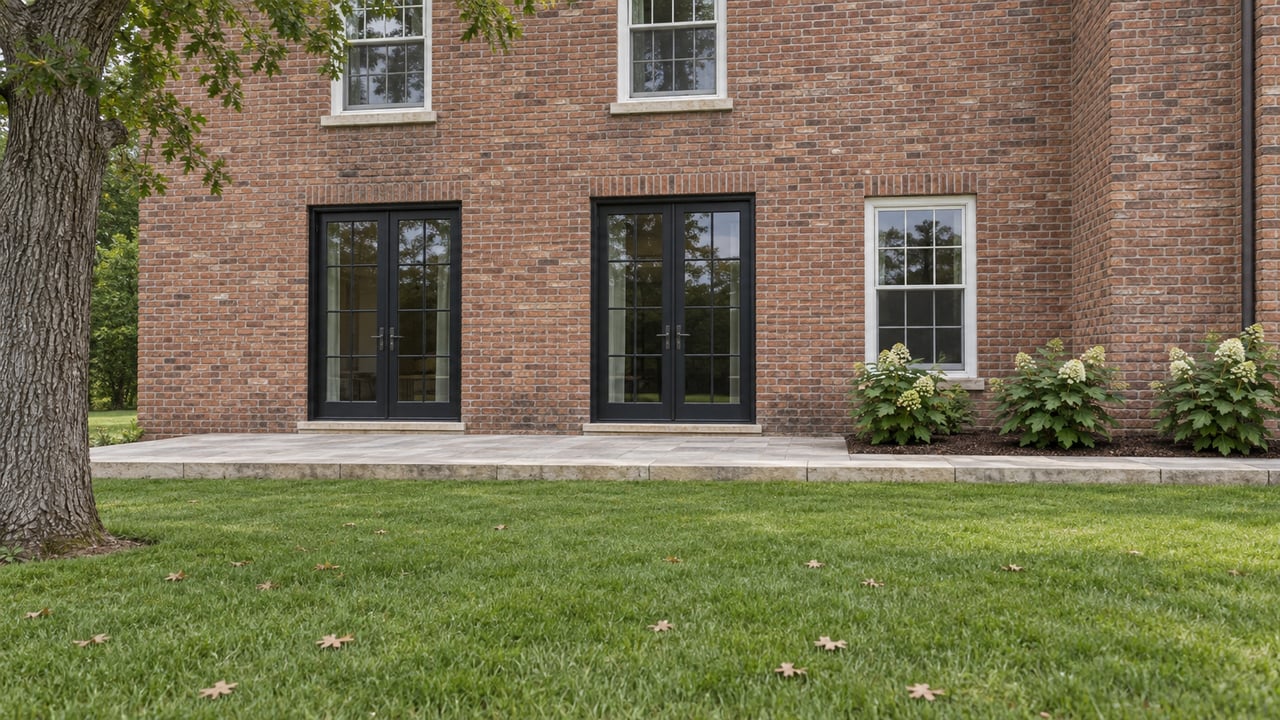
New windows and doors reduce drafts and improve comfort, but they often cost more and save less than sealing and insulation. Consider upgrading when existing units are failing, fogged, or difficult to operate. If you upgrade, select efficient models and finish with clean trim for a clear visual boost.
Costs, savings, and incentives
Every home is different, but here is what to expect at a high level:
- Air sealing + insulation: DOE guidance shows these can deliver substantial combined savings on heating and cooling when done together.
- Duct sealing: Recovering lost conditioned air improves comfort and can cut runtime, especially when ducts run through unconditioned spaces.
- Smart thermostats: Typical savings are often in the single digits when used correctly.
- Heat pumps vs. older systems: Modern heat pumps deliver more heating and cooling per unit of electricity than electric resistance and can reduce costs compared with older, inefficient systems.
Rebates and tax credits can improve payback. Check the Database of State Incentives for Renewables & Efficiency for Ohio listings on DSIRE. You can also review current federal program details through DOE and ENERGY STAR resources and contact your local utilities to see active HVAC, heat pump, and weatherization rebates.
A simple roadmap for Powell homes
Follow a proven sequence to avoid rework and get the most comfort per dollar:
- Schedule diagnostic testing. A blower door, infrared scan, and duct leakage test reveal your biggest leaks and hot spots.
- Air seal first. Focus on the attic, rim joists, and major penetrations.
- Add attic and rim-joist insulation. Bring levels up to recommended targets based on your existing insulation and access.
- Seal and insulate ducts. Fix leaks before sizing or replacing equipment, then tune airflow.
- Upgrade HVAC if needed. Choose right-sized, efficient equipment and insist on commissioning.
- Improve basements/crawlspaces. Add insulation and moisture control where it influences living areas.
- Add smart controls and ventilation. Install a smart thermostat, consider zoning, and plan ERV/HRV if the home is now much tighter.
For permits and code questions, confirm with local officials. Ohio follows state building codes based on the International Residential Code; you can reference state resources at codes.ohio.gov.
Make upgrades listing-ready
When you plan to sell within the next year, a clean presentation and documentation make a difference. Buyers respond to visible quality and proof of performance.
- Document everything. Keep invoices, permits, warranties, and any blower-door or duct-leakage test reports. Organize them in a simple folder.
- Stage the mechanicals. Tidy the furnace or heat pump area, label shutoffs and filters, and add good lighting for photos.
- Show your savings story. If possible, provide a simple before-and-after utility summary with private info removed.
- Photograph the “invisible.” Clear shots of sealed penetrations, neat attic insulation, encapsulated crawlspaces, and insulated ductwork help buyers trust the work.
If you would like help highlighting improvements in your listing strategy, a local team can position the features clearly in photos, descriptions, and showing materials so buyers grasp the value.
Ready to plan your upgrade?
If you are weighing which projects to do before selling or simply want a more comfortable home this season, start with an assessment and the quick wins above. Air sealing, insulation, and duct fixes often deliver the biggest comfort gains per dollar in Powell’s climate, and smart HVAC choices add quiet, steady performance year-round.
Thinking of listing in the next 6 to 18 months? Let’s talk through which upgrades make sense for your timeline and how to showcase them for maximum impact. Get started with a quick check-in and a pricing snapshot from Columbus Prime Realty.
FAQs
What energy upgrades help most in Powell’s climate?
- Air sealing and attic insulation typically deliver the biggest comfort gains, followed by duct sealing and right-sized HVAC suited for cold winters and humid summers.
How do I know if my ducts are the problem?
- If some rooms run hot or cold, the system is noisy, or you see dust streaks at duct joints, ask for a duct leakage test and inspection guided by DOE ductwork best practices.
Are heat pumps a good fit for Ohio winters?
- Modern air-source and cold-climate heat pumps work in much of the Midwest when sized and installed correctly; review technology basics on the DOE heat pump systems page.
Do smart thermostats really save money?
- Yes, when set up and used properly; ENERGY STAR reports measurable savings, often in the single-digit percentage range for heating and cooling.
Where can I find rebates and tax credits in Ohio?
- Start with the Ohio listings on DSIRE, then check your local electric and gas utility pages and current federal guidance for eligible equipment and weatherization.
Do I need to add ventilation if I air seal?
- Often yes. Tighter homes should plan for healthy ventilation and humidity control; the EPA’s indoor air quality guidance explains why balanced ventilation and dehumidification matter.