Looking for true off-market rehab deals in Columbus but tired of guesswork and delays? You are not alone. Small investors often struggle to find reliable inventory, lock in repair scopes, and underwrite conservatively enough to avoid surprises. In this guide, you will see exactly how our team sources and vets light‑distress opportunities across Franklin County, coordinates vendor walk‑throughs, and supports underwriting and lease‑up so you can decide and close with confidence. Let’s dive in.
Why Columbus for value‑add
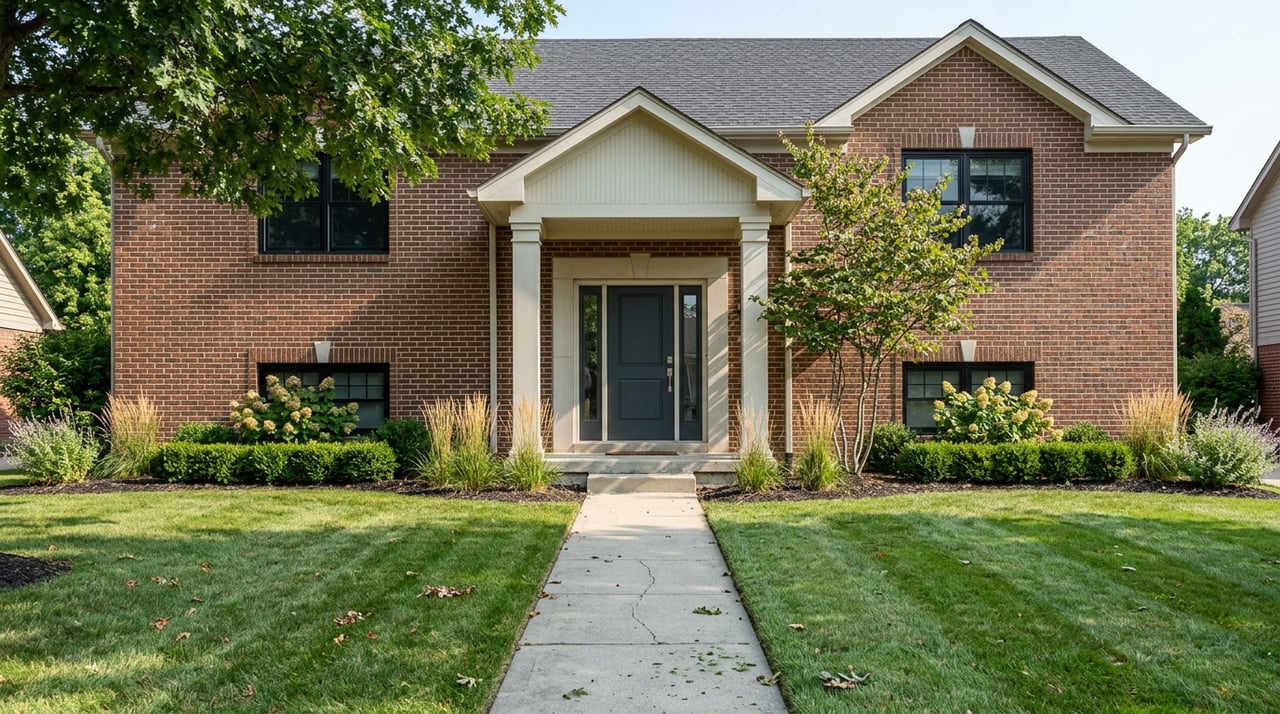
Columbus and Franklin County offer a diverse mix of single‑family homes and 2–4 unit properties that fit value‑add strategies. Neighborhoods vary by price‑to‑rent ratios, condition, and demand, which makes local knowledge essential for targeting the right blocks and avoiding risk. You benefit most when deals are sourced early and vetted quickly, while timelines and carrying costs stay predictable. That is the focus of our investor support model.
How we source off‑market deals
Our pipeline blends direct outreach, local relationships, and structured triage. The goal is to get you line‑of‑sight on real opportunities before they become crowded.
Direct owner outreach
We use letters and targeted mail to contact owners who might be ready to sell. This can surface properties with light distress or simple life‑event timelines. Cost per lead is reasonable, but response times vary, so follow‑up discipline matters.
Wholesalers and investor networks
We review deals from wholesalers and local investor groups. You need to evaluate assignment fees and title risk up front. We focus on clean paperwork and realistic repair scopes before advising you to engage.
Public lists and records
Probate, estate, tax delinquent, and pre‑foreclosure lists can reveal motivated sellers. These channels may convert well but require careful title checks. We verify ownership, liens, and any red flags early in the process.
Broker network and “coming soon”
Pocket listings and MLS coming‑soon inventory offer better documentation and clearer timelines. While not always strictly off‑market, paperwork quality and access tend to be stronger. These can be strong fits for light rehab or buy‑and‑hold.
Driving for dollars and contractor intel
Local contractors and handypeople often see distress before a listing goes live. We maintain relationships to hear about light‑distress homes that need cosmetic or moderate updates. Quick photos and a curbside check help us triage within hours.
Auctions, REOs, and short sales
These sources are less common for small investors in many micro‑markets but can be worth watching. Due diligence windows can be tighter. We still insist on conservative assumptions and contingency planning.
Prefer to skip the hunt and get curated options? Reach out for a quick criteria review. We will align on neighborhoods, rehab tolerance, and timelines so you only see deals that match your plan.
Fast triage in 72 hours
A structured 48–72 hour triage keeps momentum and protects your time. Here is the address‑level checklist we use.
Intake and records lookup
- Ownership and contactability in public records
- Property type and unit count
- Visible condition from drive‑by or photos
- Owner motivation indicators like tax liens or probate
- Title red flags to confirm during formal due diligence
Quick comps and ARV estimate
- Identify 3–5 recent, nearby sales to bracket After‑Repair Value
- Adjust for bed/bath count, square footage, and condition
- Note seasonality or list‑to‑sale price trends in the immediate area
Repair class and estimate
- Classify as cosmetic, moderate, or major
- Use a quick line‑item or per‑square‑foot approach for early numbers
- Flag trades that will likely need permits
Pass, pursue, or offer
- If the spread is clear and risk feels contained, we move to a formal walk‑through
- If scope or title looks uncertain, we pause and gather more detail
- If the deal fails basic screens, we pass and document why
Underwriting that protects you
We keep the math simple and conservative. The payoff is fewer surprises and cleaner decisions.
Core inputs and formulas
- Acquisition price and offer structure: cash vs financed; assignment vs direct purchase
- ARV: based on 3–5 comparable sales with thoughtful adjustments
- Repair estimate: line‑item scope for accuracy or quick per‑unit estimates for speed
- Holding costs: debt service, taxes, insurance, utilities, HOA if any, plus vacancy buffer
- Exit assumptions: resale costs if flipping, or leasing costs if holding
- Performance metrics:
- GRM: purchase price divided by annual gross rent
- Cap rate: net operating income divided by purchase price
- Cash‑on‑cash: annual pre‑tax cash flow divided by cash invested
- Total project ROI: profit divided by total cash in
Holding and exit costs
- Financing: interest, points, and draw fees if using hard money or bridge financing
- Operations: utilities during rehab, lawn or snow, and permit fees if applicable
- Disposition: seller closing costs and brokerage if you exit by sale; leasing and turnover if you hold
- Contingency: we recommend 10–20 percent on repair budgets and timeline buffers for weather and discovery items
Sensitivity checks you see
We present a simple best, baseline, and worst view so you can see how timing or cost shifts affect returns.
- Best: minor scope changes, 2–4 weeks faster completion, rent at top of conservative range
- Baseline: plan as written, standard leasing timeline, typical vacancy
- Worst: discovery items add cost, permits add inspections, extra month of holding before lease‑up
Vendor walk‑throughs that save time
On light‑distress properties, a quality walk‑through turns unknowns into a clear scope and timeline.
Who we bring
- Licensed general contractor for overall scope and schedule
- Electrician or plumber if systems show age or capacity concerns
- Home inspector if you want a fuller picture before finalizing offers
- Property manager input if you plan to hold, so finishes and durability match rent targets
What you receive
- Itemized repair scope with line items and priorities
- Time estimate and trade sequencing
- Permit list, if any, based on planned work
- Cost estimate with labor, materials, and subcontractor categories
- Photo and video documentation you can review remotely
Logistics that prevent delays
- Confirmed access and a clear time window
- Standardized scope template so quotes are comparable
- Written change‑order process before work begins
- COI on file for all contractors
Walk‑through checklist
Use this to keep assessments consistent:
- Structural: roof, foundation, gutters, windows
- Envelope: siding, exterior paint, trim, doors
- Systems: HVAC capacity and age, electrical panel and visible wiring, plumbing supply and drains
- Interior: floors, walls, kitchens and baths, appliances
- Safety: smoke and CO detectors, GFCI protection, egress where required
- Exterior: grading and drainage, steps and porch safety, fencing
- Permits and code: open permits or prior violations to resolve
Managing rehab and risk
Execution discipline turns a good buy into a solid result.
Contractor management
- Keep three vetted contractors ready for quick quotes
- Use standardized scopes and purchase orders
- Track progress with photos and brief updates at milestones
- Approve change orders in writing only
Typical timelines
- Cosmetic refresh: about 1–3 weeks once materials are on site
- Moderate updates: about 3–8 weeks depending on trades and any permits
- Exterior items can extend in winter; plan buffers accordingly
Contingencies to budget
- Discovery items like plumbing leaks, outdated electrical, or hidden moisture
- Material lead times that push scheduling
- Inspection rechecks if permits are required
Lease‑up and compliance in Columbus
If you are holding the property, leasing starts with realistic rent comps and clear standards that comply with fair housing and local rules.
Lease‑up steps
- Market and rent comps to set a conservative asking rent
- Professional photos and listing copy that highlight durable finishes
- Tenant screening with documented, neutral criteria
- Lease execution, deposit collection, and move‑in condition report
Screening standards
Use objective standards that apply to every applicant. Common items include income multiple, credit profile, and lawful background checks, always consistent with federal, state, and local rules. Keep written criteria and apply them uniformly.
Local rules to verify
- Building permits are typically required for structural, electrical, plumbing, and mechanical work beyond cosmetic
- Rental programs and inspections can vary by jurisdiction; confirm current requirements for your property type
- Lead‑based paint disclosure is required for homes built before 1978
- Review Ohio landlord‑tenant rules on notices, entry, deposits, and the eviction process, and confirm any local ordinances that affect screening or fees
Turnover costs to include
- Cleaning, touch‑up paint, and minor repairs
- Rekeying or lock changes
- Marketing and screening costs
- Vacancy carry: utilities, taxes, and insurance while empty
Practical templates you can use
Below are simple checklists you can copy into your workflow.
Lead intake form fields
- Property address and parcel ID
- Owner name, mailing address, and best contact
- Contact attempt history and notes
- Visible condition notes and number of units
- Estimated ARV range and repair class: cosmetic, moderate, or major
- Clear title indicator: yes or requires review
- Motivation indicators and recommended next step
Walk‑through scope template
- Room or area
- Issue and severity
- Estimated cost
- Permit required: yes or no
- Priority: immediate, soon, or optional
Underwriting input sheet
- Purchase price and offer terms
- ARV comps with adjustments
- Repair line items and contingency percentage
- Monthly holding costs: debt, taxes, insurance, utilities, HOA
- Projected rent, vacancy percentage, management percentage
- Insurance and tax estimates
- Financing costs and exit assumptions
- ROI metrics: GRM, cap rate, cash‑on‑cash, total project ROI
Lease‑up checklist
- Photos and listing copy
- Tenant screening packet and written criteria
- Security deposit collection and receipt
- Move‑in inspection and condition report
What you get with our team
Columbus Prime Realty is a boutique brokerage built for hands‑on investor support. You get local sourcing, clear scopes, and numbers you can trust.
- Early looks at off‑market and light‑distress properties that match your criteria
- 48–72 hour triage with quick comps, repair class, and a go or no‑go call
- Scheduled vendor walk‑throughs with photos, timelines, and line‑item estimates
- Conservative underwriting with sensitivity views and clear exit paths
- Lease‑up support and referrals to licensed managers when you hold
Let’s find your next rehab
If you want vetted opportunities and a faster path from intake to decision, let’s talk. Share your criteria, and we will walk you through our sourcing, vetting, and underwriting process, then outline next steps for receiving property briefs. To get started, connect with our team at Columbus Prime Realty.
FAQs
How fast can you get a vendor estimate in Columbus?
- For light‑distress properties, we can often schedule and deliver a contractor estimate within 24–72 hours, subject to access and contractor availability.
Will you write purchase offers for me as an investor client?
- Yes, when you engage us for representation, our licensed agents prepare, present, and negotiate offers based on your chosen strategy and risk tolerance.
Who manages the rehab and tenant placement after closing?
- You can manage directly, hire a contractor with a project manager, or use a third‑party property manager; we provide introductions and help you weigh timeline, cost, and control.
What fees should I expect on these projects?
- Typical costs include contractor estimates and construction, any permit and inspection fees, and standard closing costs; if outside vendors provide specialized services, those are billed by the providers.
How do you estimate ARV and rents without overpromising?
- We bracket ARV with 3–5 recent, nearby comps, use conservative rent comps, and include repair and timeline contingencies so your decision is based on realistic ranges.
What if title issues or code violations come up late?
- We flag potential red flags in triage, recommend a full title search during due diligence, and coordinate with the seller and relevant departments to resolve items before you commit funds.