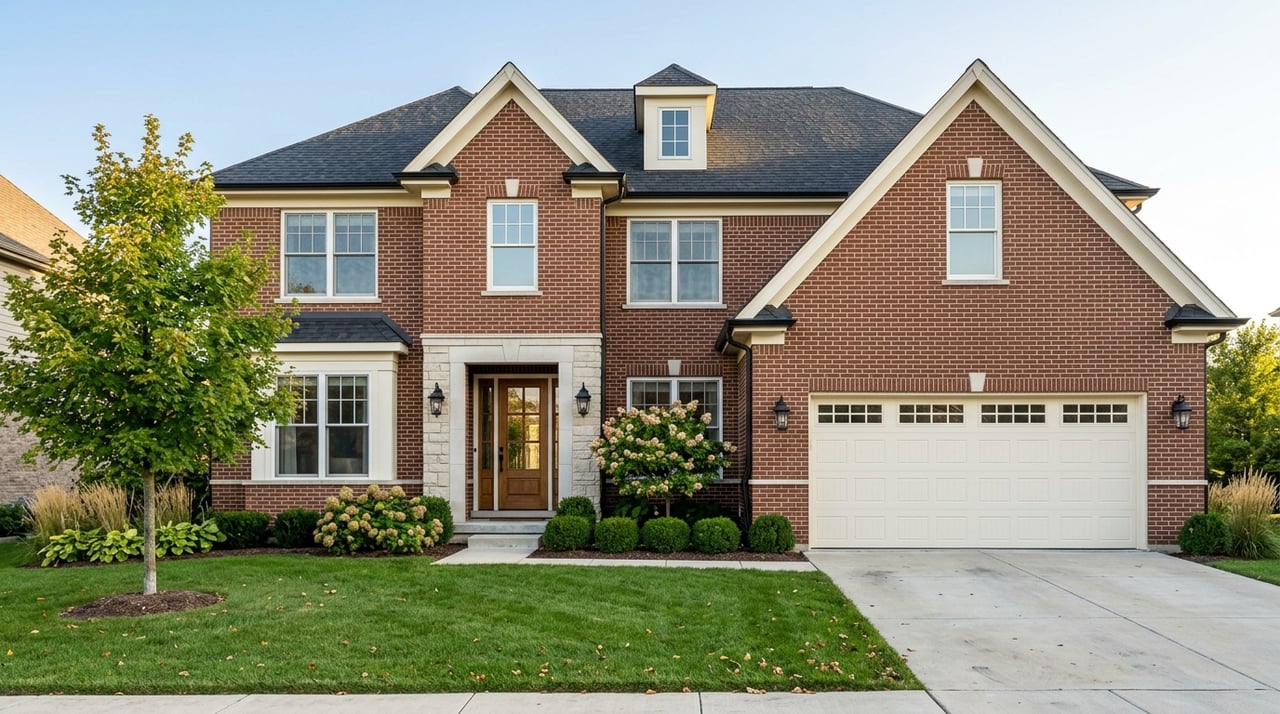
Wondering what it actually feels like to live in Powell day to day? If you are comparing Central Ohio suburbs, it helps to look past listing photos and price points and picture your real routine. From commute patterns and housing styles to parks, trails, and downtown activity, here is a realistic look at what everyday life in Powell really looks like. Let’s dive in.
Powell feels suburban, but not sleepy
Powell is a city in Delaware County that continues to grow. The 2020 Census counted 14,163 residents, and local planning estimates placed the population at 15,457 in 2024 with a projection of 16,052 in 2025. That growth helps explain why Powell feels established while still adding new energy.
In practical terms, Powell reads as an affluent, highly educated suburb. Local planning data for 2024 lists a median household income of $195,495, a median home value of $561,500, and 78.1% of residents with a bachelor’s degree or higher. If you are considering a move here, that points to a market that is more move-up than entry-level.
Daily routines often center on work, school, and home
A lot of everyday life in Powell revolves around balancing work schedules, home life, and local activities. Regional planning data shows management, business, science, and arts occupations as the largest employment category. That helps paint a picture of many professional households with structured weekday routines.
The city is part of the Olentangy Local School District, which also shapes the flow of daily life for many households. Without making assumptions about any one resident, it is fair to say that school calendars, after-school activities, and neighborhood routines are a visible part of how the community functions. For many buyers, that makes Powell feel organized, active, and schedule-driven in a good way.
Commuting in Powell is mostly car-based
If you are moving to Powell, it is important to know that this is still a driving suburb. Census QuickFacts puts the mean travel time to work at 24.3 minutes, while local ACS profile data shows 85.7% of workers drove alone, 10.9% worked from home, and no workers reported commuting by public transit. That tells you a lot about the rhythm of a typical weekday.
For most residents, daily life likely includes school drop-offs, errands, and work trips by car. At the same time, the work-from-home share shows that remote or hybrid schedules are part of the mix too. If you want a suburb with access to Columbus but still expect to drive for most daily needs, Powell fits that pattern.
Parks and trails are part of normal life
One of Powell’s clearest lifestyle strengths is its park system. The city highlights 114 acres of parkland, 29 miles of interconnecting bike trails, seven city parks, and nine total park sites. That means outdoor access is not just a nice extra here. It is woven into how many people spend their free time.
These spaces support everyday activities more than once-in-a-while outings. Depending on where you live, parks, paths, and neighborhood connections can become part of your morning walk, evening bike ride, or weekend routine. For many buyers, this is one of the strongest quality-of-life features in Powell.
Key parks residents use
Several parks stand out because they serve different kinds of day-to-day needs:
- Adventure Park includes a 17,000-square-foot skate park, eight pickleball courts, a playground, basketball courts, and the parks department offices.
- Library Park includes soccer fields, baseball diamonds, pickleball, walking paths, and the Delaware County District Library branch.
- Village Green Park sits in downtown Powell and is home to the splash pad and the Powell Festival.
The city also notes that residents can walk or bike from parks to downtown, the library, and local ice cream shops. That kind of connection matters because it makes recreation feel easy and integrated into daily life rather than separate from it.
The park system is still growing
Powell’s outdoor spaces are also evolving. In 2024, the city purchased Bennett Farm, a 32-acre sheep farm about one mile east of downtown, with likely future plans for paths, green space, and historic conservation. That signals continued investment in open space and community amenities.
The city also reopened the pedestrian tunnel at Adventure Park in 2026, restoring a key walking connection between the park and downtown. For residents, that kind of project can make everyday movement easier and more enjoyable. Small infrastructure details often shape how connected a place feels.
Downtown Powell adds energy to everyday living
Some suburbs feel like they are mostly residential with a few shopping centers nearby. Powell is different because its downtown plays a real role in local life. The city describes the area as home to local merchants, artisans, antique shops, upscale restaurants, and progressive businesses.
The city also says Powell has more than 1,300 small to medium-sized companies. That adds to a sense that this is not only a place where people sleep after work. It is also a place where people gather, shop, meet, and spend time close to home.
A walkable historic core
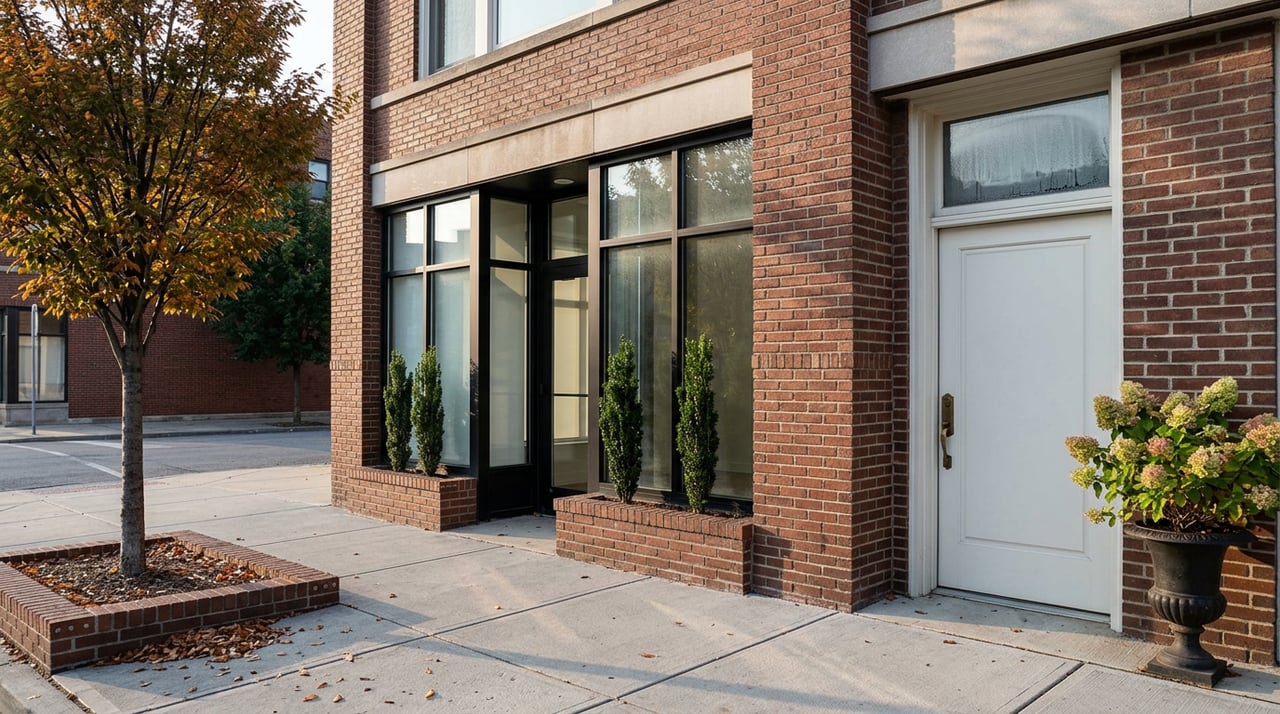
Downtown Powell has a walkable, historic character that gives it a different feel from many newer suburbs. City materials describe revitalization efforts aimed at supporting local businesses and community gathering space. If you value having a recognizable town center instead of a purely spread-out suburban layout, this is one of Powell’s biggest draws.
That historic core also influences the way daily life feels. You may be driving for much of your commute, but when you are local, you still have places that feel social and connected. That balance is part of Powell’s appeal.
More activity than many buyers expect
Recent projects have made downtown even more active. COhatch opened a 14,000-square-foot campus on East Olentangy Street with coworking and meeting space, adding another layer to how people use the area. For remote workers, small business owners, and professionals who want flexibility, that broadens the downtown role beyond dining and shopping.
Nocterra Brewing is also described by the city as a downtown cornerstone that draws tens of thousands of visitors each year. On top of that, the Downtown Powell DORA runs Thursdays through Sundays from 11 a.m. to 10 p.m. with participating retailers that include Peachtree Street, Kimberly’s Diamond Corner, Columbus Running Company, and Cute as a Button. Together, those details suggest a downtown that stays active and relevant throughout the week.
Housing feels established with variety
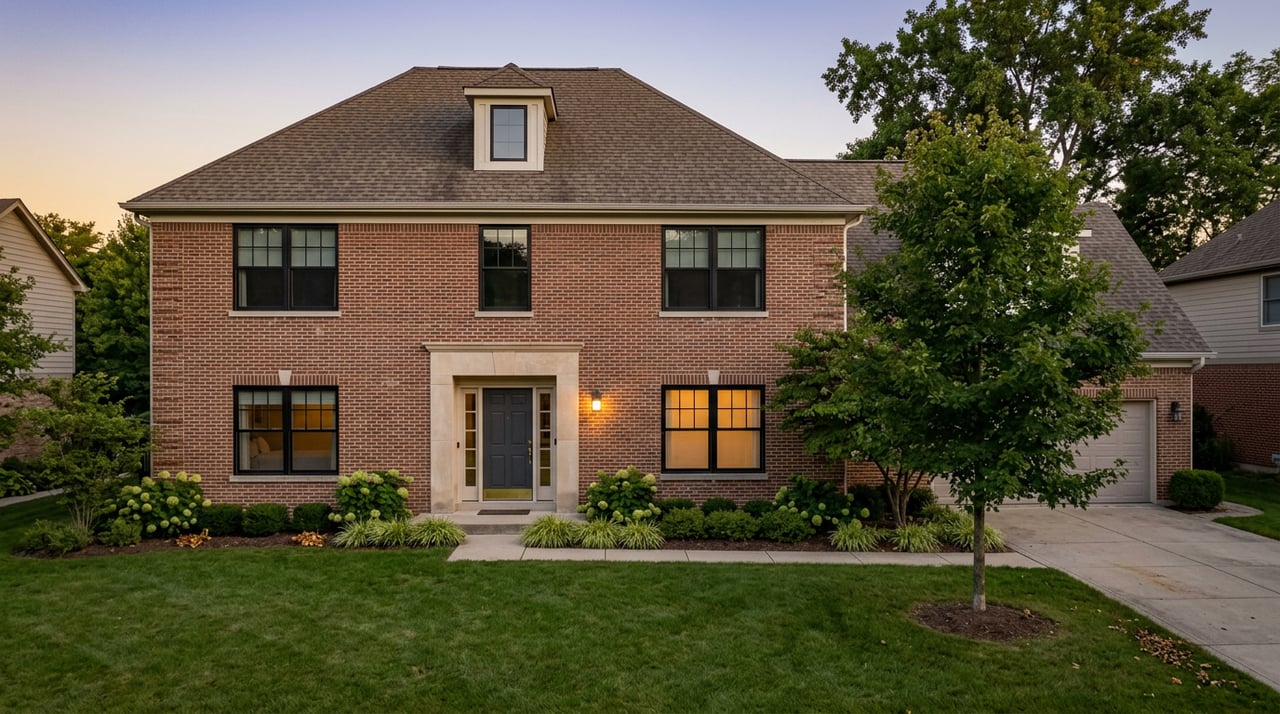
If you are house hunting in Powell, the housing stock is not all one thing. The 2025 community profile shows 4,164 single-family units and 1,829 multi-family units, which works out to 69.5% single-family and 30.5% multi-family. Even so, Powell remains anchored by detached homes.
Recent building patterns reinforce that point. In 2025, residential permits included 23 single-family permits and no multi-family permits after a more active multi-family year in 2024. For buyers, that suggests a market where single-family housing continues to shape the local identity.
Older core, newer subdivisions
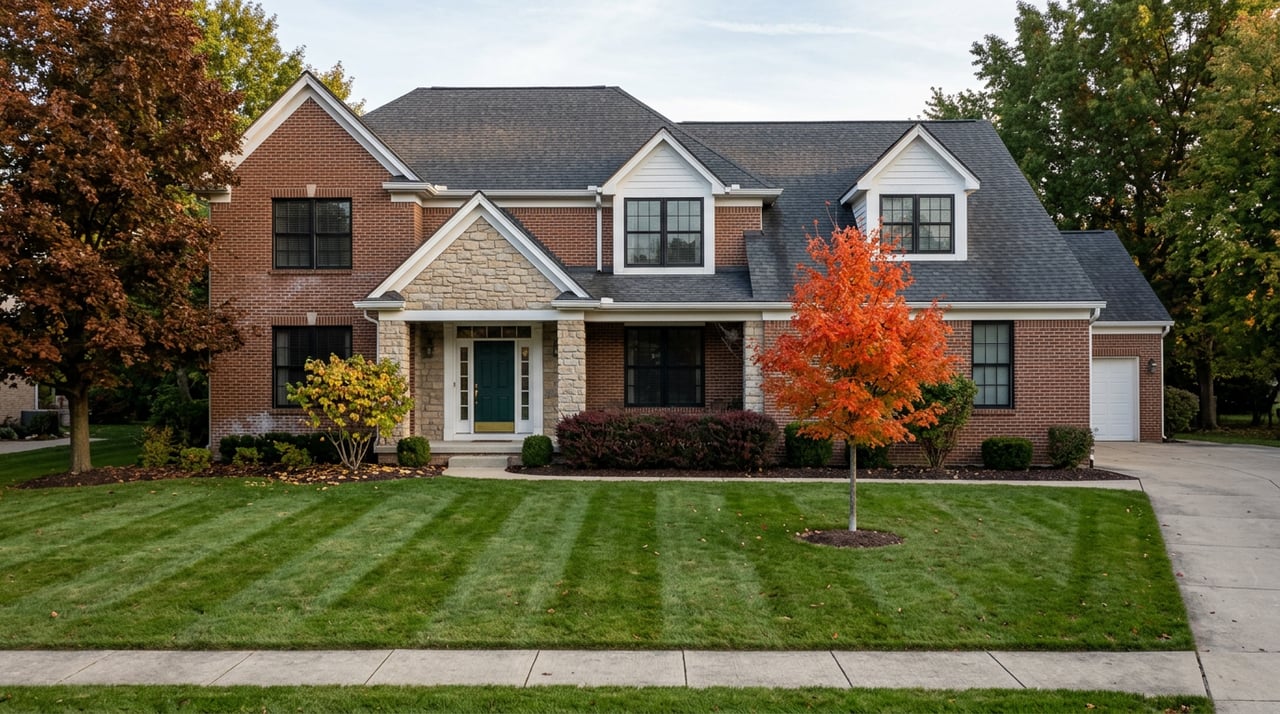
The look and feel of homes can vary depending on where you search. The city’s architectural guidance describes the historic district around Olentangy and Liberty streets as having narrow streets, small simple houses, tree-lined streets, and historic residential buildings near the commercial center. That part of Powell offers a more traditional in-town setting.
Outside that core, farms and newer housing subdivisions surround the historic center. In simple terms, you are likely to see a mix of older homes near downtown and larger newer homes farther out. That gives buyers options depending on whether you want walkable character, a newer subdivision layout, or a blend of both.
What everyday life in Powell really means for buyers
If you are thinking about moving to Powell, the biggest takeaway is that life here blends suburban convenience with a stronger town-center identity than many buyers expect. You are looking at a place with car-based commuting, strong park and trail access, a downtown people actually use, and a housing market led by single-family homes. That combination creates a lifestyle that feels both practical and polished.
It is also helpful to understand the pricing context. With a median home value of $561,500 in the 2024 local planning profile, Powell is not typically positioned as a bargain market. Buyers often come here because they want the overall lifestyle package, not just a house.
What sellers should know about Powell’s lifestyle appeal
If you own a home in Powell, these everyday lifestyle features matter when you position your property for the market. Buyers are often comparing more than square footage. They are also comparing commute expectations, access to parks and trails, proximity to downtown, and whether a home feels connected to the way they want to live.
That is why neighborhood-level marketing matters. A home near downtown, near trail connections, or in an established subdivision may appeal to buyers for different reasons. Clear positioning can help your listing connect with the right audience from the start.
If you are buying, selling, or relocating in Powell, working with a team that understands how daily life varies block by block can make your next move easier. Columbus Prime Realty offers boutique, contract-to-close guidance built around local market knowledge, clear communication, and high-touch service.
FAQs
What is daily life in Powell, Ohio like for residents?
- Daily life in Powell is shaped by car-based commuting, strong park and trail access, an active downtown, and a housing market centered on single-family homes.
Is Powell, Ohio more suburban or urban?
- Powell is suburban in its commute patterns and housing mix, but its historic downtown adds a more walkable and active local center than many suburbs have.
What are the parks and trails like in Powell, Ohio?
- Powell has 114 acres of parkland, 29 miles of interconnecting bike trails, seven city parks, and nine total park sites, giving residents strong access to outdoor recreation.
What types of homes are common in Powell, Ohio?
- Powell’s housing stock is led by single-family homes, with a mix of older homes near the historic core and newer subdivision homes farther from downtown.
Is downtown Powell active for everyday use?
- Yes. Downtown Powell includes local shops, restaurants, coworking space, community events, and a DORA that runs Thursdays through Sundays, making it part of normal weekly life for many residents.
Is Powell, Ohio a growing community?
- Yes. Powell had 14,163 residents in the 2020 Census, with local planning estimates showing 15,457 residents in 2024 and a projected 16,052 in 2025.